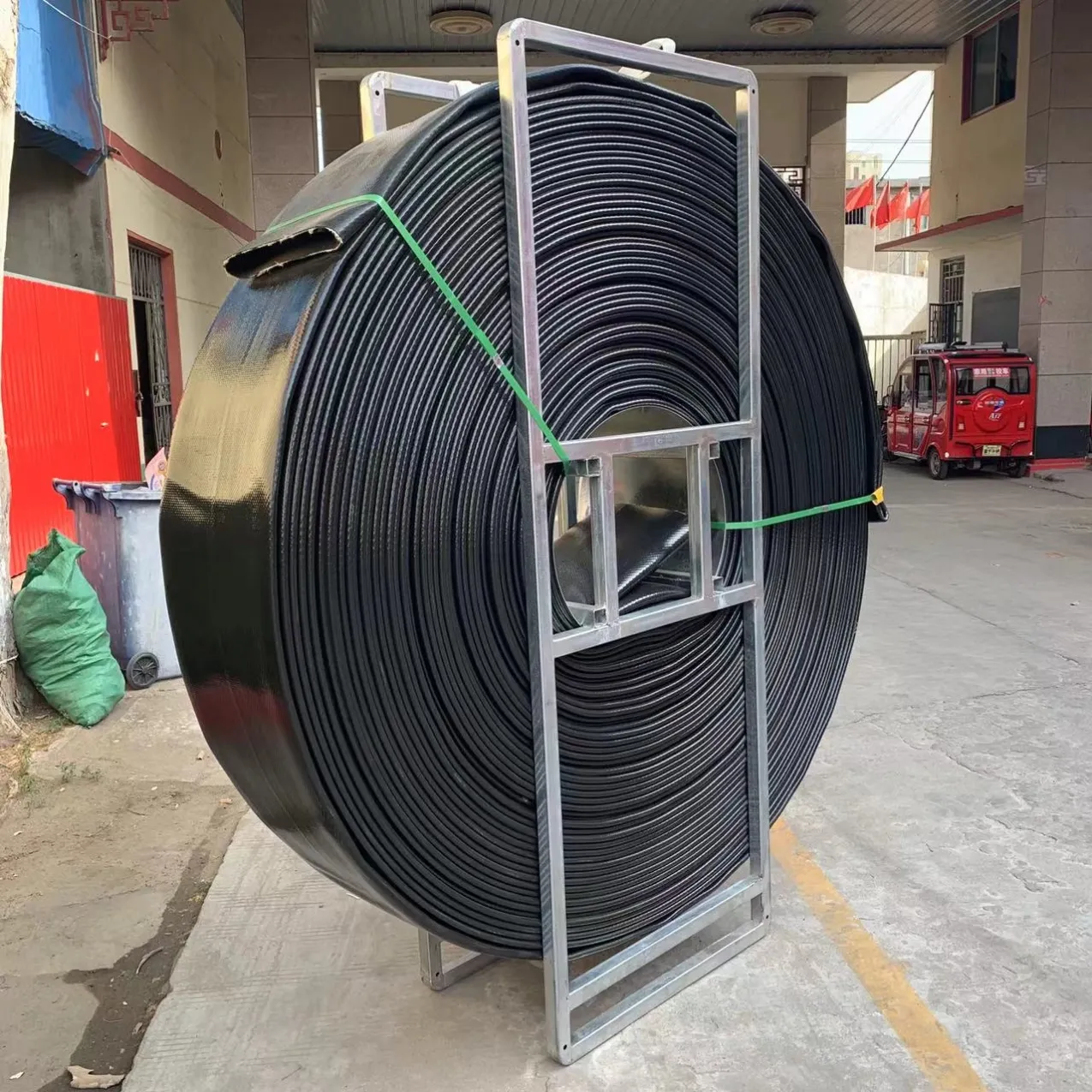
Fire Hose Pressure Ratings, Types & Field Maintenance Guide
Explore complete fire hose pressure ratings (low, medium, high), lined vs. unlined types, and expert field deployment and maintenance best practices.
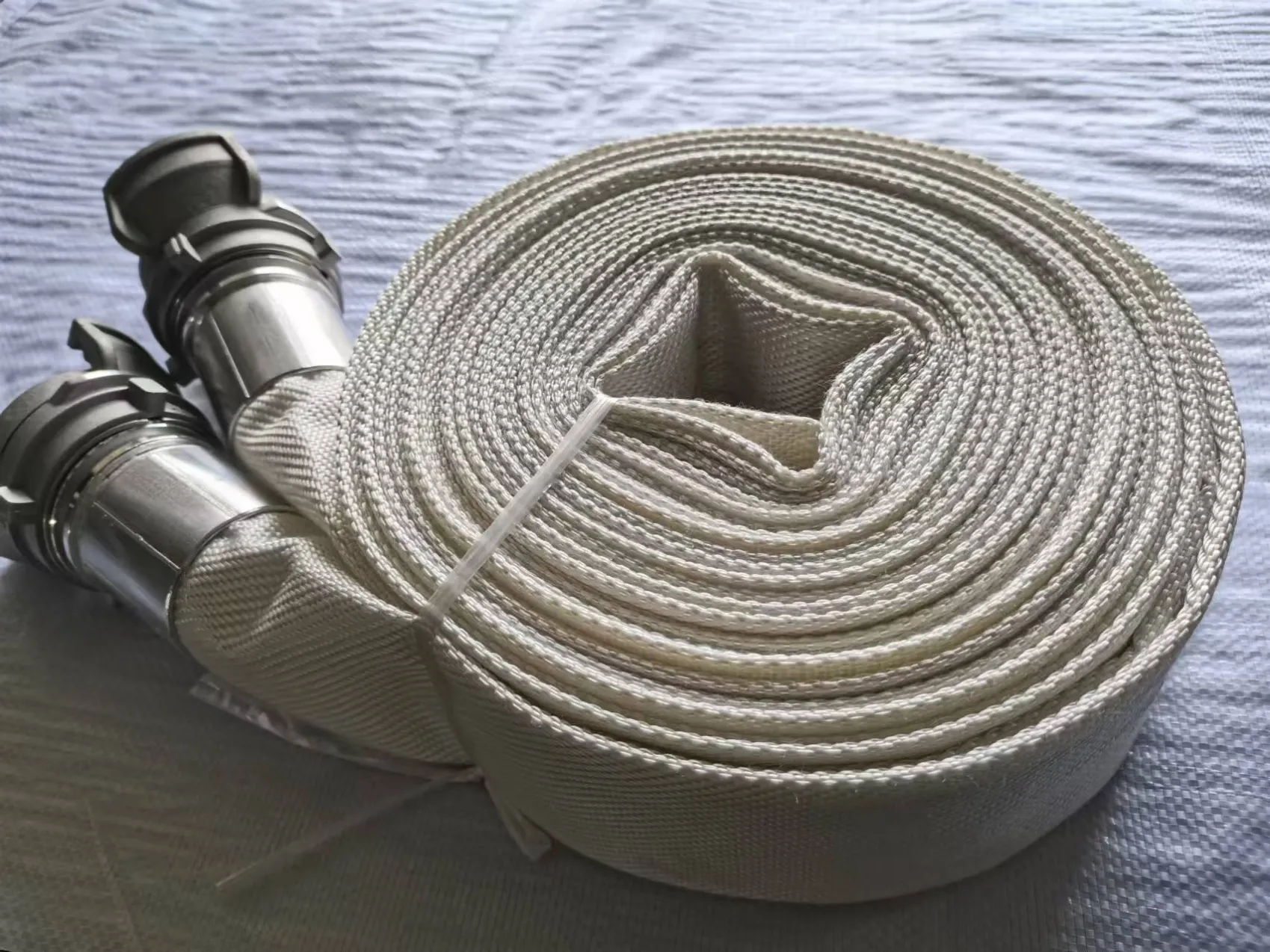
Choosing the Right Fire Hose: Pressure Ratings, Types, and Field Care
For facility managers, procurement officers, and safety teams, selecting a fire hose isn't just about grabbing a standard roll from a catalog. It is about understanding how pressure variables, lining materials, and field deployment conditions work together when every second counts.
Here is a practical breakdown of how industrial fire hoses are graded, how to differentiate between lining choices, and what it takes to keep them operational for their full service life.
Decoding Fire Hose Pressure Ratings
Fire hoses are categorized based on their working pressure capabilities. This classification dictates where they can be safely deployed, following benchmarks from standard frameworks like NFPA 1961, EN 14540, and GB 6246.
- Low-Pressure Hoses (Working Pressure ≤ 1.0 MPa / ~145 PSI): Standard 0.8 MPa lines primarily built for early-stage fire suppression in residential areas or small commercial footprints. Lightweight, highly maneuverable, and easily handled by a single operator with a 20 to 30-meter reach.
- Medium-Pressure Hoses (1.0 MPa < Pressure ≤ 2.5 MPa / ~145–362 PSI): The workhorse of industrial plants, warehouses, and high-rise structures. Rated around 1.6 MPa, balancing high flow rates and punchy discharge pressure to achieve a 40-to-60-meter stream reach. Requires integration with medium-pressure fire pumps.
- High-Pressure Hoses (Pressure > 2.5 MPa / > 362 PSI): Reserved for high-risk, heavy-hazard environments like petrochemical facilities, refineries, and tunnel rescue operations. Operating between 3.0 to 4.0 MPa to push massive volume over 80 meters. Heavy, rigid, and demands trained teams alongside heavy-duty pumping equipment.
Material Anatomy: Lined vs. Unlined Hoses
A hose’s interior construction determines how much pressure it can handle and how long it lasts in the field.
- Lined Fire Hoses (The Industrial Standard): Constructed with a rugged outer jacket woven from synthetic fibers and a smooth inner lining made of rubber, polyurethane, or PVC. Minimizes friction loss and protects from rot, mildew, and punctures. Designed for aggressive, repeated outdoor use.
- Unlined Fire Hoses (Limited Applications): Traditional woven natural-fiber lines (like flax or hemp) without any interior synthetic coating. Lower pressure ceiling, high friction loss, and highly susceptible to rot if packed damp. Strictly restricted to interior building cabinets for emergency first-aid use.
Real-World Deployment Guidelines
Safe, effective deployment comes down to a few critical field rules:
- Protect the Couplings: Always cushion the interface zone before clamping down with galvanized wire or heavy-duty hose clamps. A damaged coupling renders the entire length useless.
- Pump Proximity: Always position your highest-pressure-rated hoses closest to the pump discharge valve. Keep lines free of sharp twists, kinks, or sudden 90-degree bends under pressure.
- Smart Routing: Avoid dragging lines over sharp debris or chemical spills. When crossing active traffic zones or rail tracks, always use dedicated hose bridges or route lines underneath rails to prevent crushing.
- Vertical Management: For high-rise setups or vertical line drops, use dedicated hose straps or hooks to anchor the weight to the structure.
- Freeze Prevention: In sub-zero environments, never shut down water flow completely. Keep a slow, steady trickle moving through the pump and line to prevent internal ice blockages.
Maintenance and Storage Protocols
A standard commercial fire hose should offer a reliable 5-year service life if managed and stored correctly.
- Accountability: Assign specific personnel to track inventory. Every hose length should be numbered, logged, and regularly tested under static pressure.
- Climate-Controlled Storage: Store single-layer rolls vertically on specialized hose racks in a well-ventilated space maintained around 15°C away from direct UV exposure. Re-roll and rotate fold lines several times a year.
- The Post-Incident Clean: Never roll up a dirty or wet hose. Wash down after use with warm, soapy water, and air-dry completely prior to stowing away to avoid mold.